Instead of prioritizing efficiency or a rigid programmatic division, the project is dedicated to cultivating a complete experiential field—rooted in the sensitivity of lived experience. Here, the design unfolds as a prolonged and meticulous study of the domestic atmosphere, ultimately returning to the British spirit of elegance, order, and ritual.
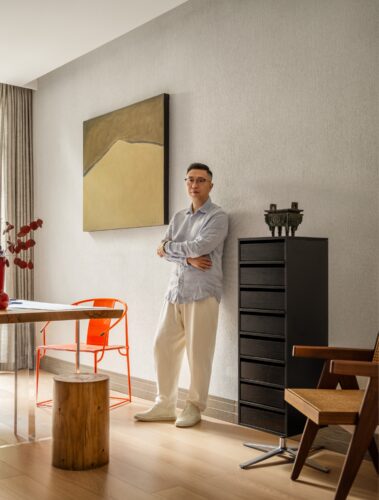
Designer Lu Zhenfeng traces his entry into the design profession back to foundational memories of his life in Shanghai’s historic garden houses: “Those residences in the plane tree neighborhoods — which blended Shanghainese refinement with British elegance — were where I first understood that design is not a cold drawing, but a receptacle capable of containing the warmth of life.”
His enduring enthusiasm, he notes, stems from Shanghai itself: a city capable of reconciling “modernity and nostalgia, internationalism and localism” with extraordinary ease. This balance continues to shape his work, where aesthetic judgment and lifestyle are carefully weighed to produce spaces “as livable as they are beautiful.”
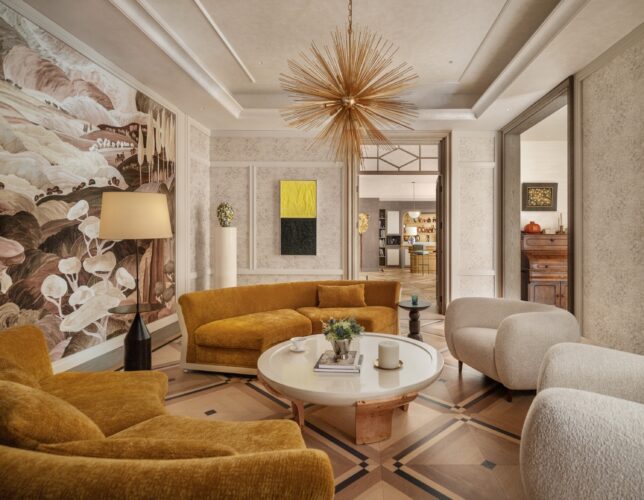
Upon crossing the threshold of the riverside villa, one immediately perceives the team’s interpretive approach to design: rooted in inspiration, dialogue, and emotional resonance.
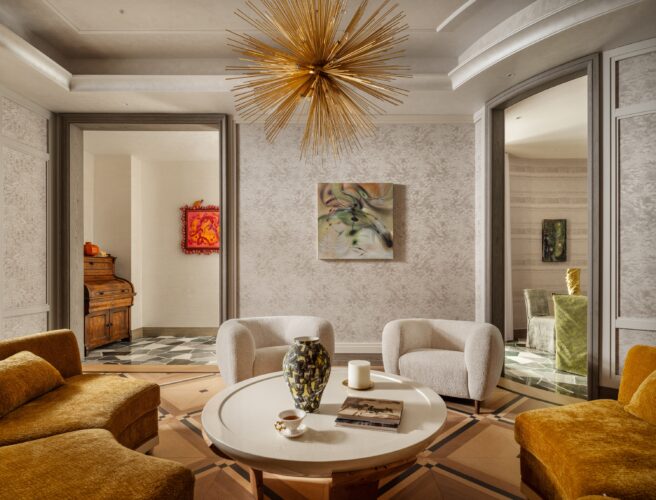
The reception area with its round table serves as the first spatial encounter, choreographed like a sequence of domestic vignettes. The flooring materials flow seamlessly from the entrance hall, while the upholstered furniture and naturally textured wall coverings cultivate the relaxed atmosphere of a garden tea party.
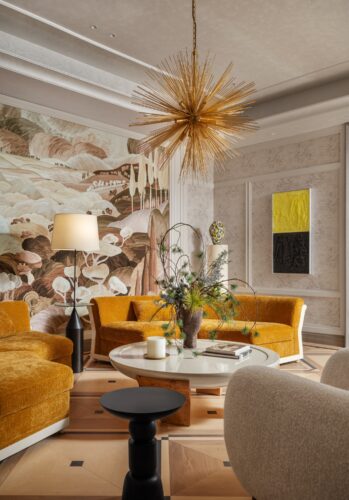
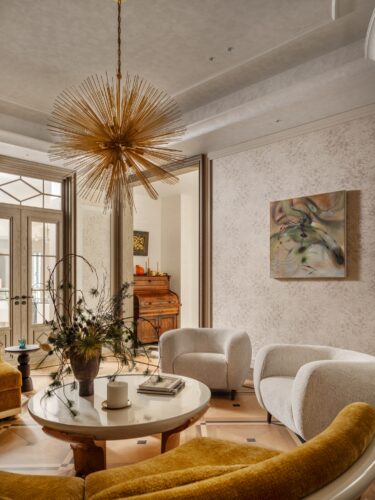
Instead of chasing the visual tropes of today’s popular “old money” aesthetic, designers are returning to their cultural and spiritual core — reinterpreting British notions of elegance, order, and ritual from a contemporary perspective.
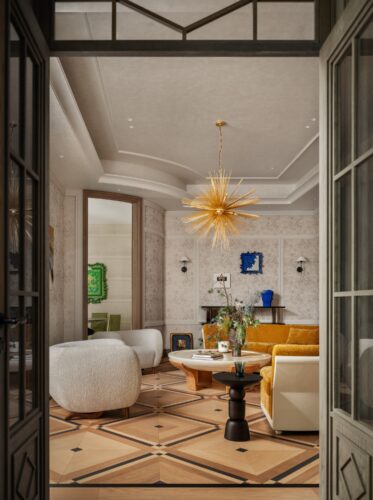
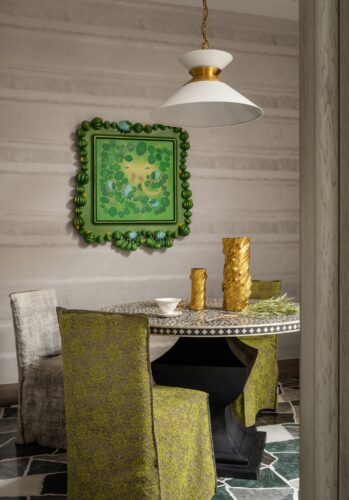
Whether in the grid patterns of the flooring or the well-proportioned contours of the furniture, the details consistently point to a return to classicism. For Lu, this approach lends cultural depth while simultaneously offering a sense of stability and comfort in keeping with contemporary life.
Outside, the architecture sits beside a flowing river, and its serene landscape reinforces the building’s classic, European character. This setting establishes the foundation for a dialogue between interior and exterior—a spatial relationship of mutual extension and resonance.
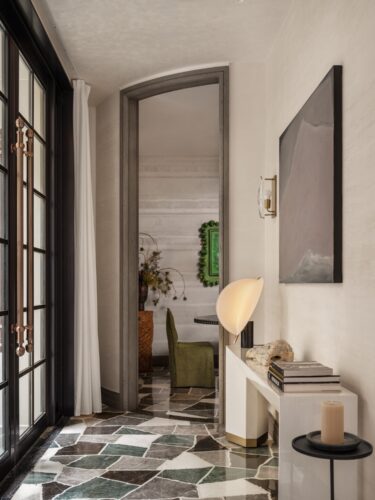
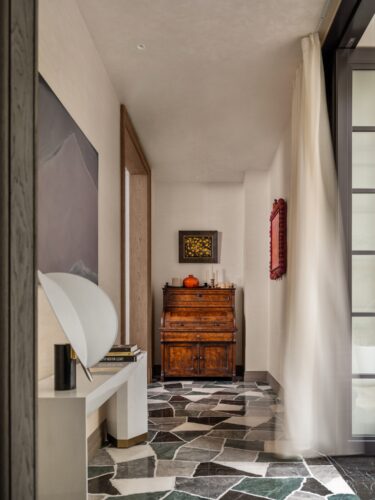
The custom-laid stone paving deliberately adopts a material language typical of the outdoors, yet is executed with the refined craftsmanship of the interior. The effect suggests a moment of transition—as if moving from architecture to garden—dissolving any sense of rigid compartmentalization.
This layered sequence reflects meticulous formal discipline. Lu recalls the project’s lengthy refinement process, in which every handle, every detail of the parquet flooring, and every stone inlay was studied time and again. That sustained attention calibrates the overall atmosphere: the space feels both domestic and dignified, relaxed yet ceremonial—drawing the visitor into a softened ritual.
When space comes to life
Passing through a pair of stately double doors, one enters a social, bar-like space. The bar itself forms the emotional heart of the room: an original design that evokes the geometric order of Art Deco while also echoing the carved stone language of Shanghai’s Bund architecture—functioning both as a utilitarian element and a spatial landmark.
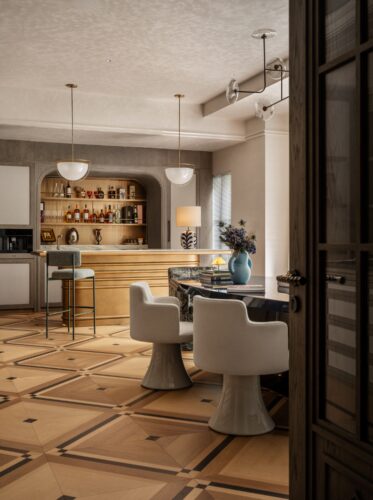
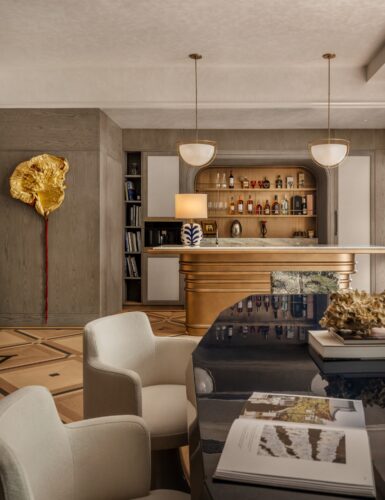
Art, design, objects, and staging continue to evolve within this environment, and raise a question: when spaces for living and thinking cease to prioritize efficiency above all else, could they cultivate deeper forms of happiness and creativity?
Here, the answer seems obvious.
The spatial staging establishes the framework and texture of the experience, guiding those who inhabit the space through shifting perceptual states. The contemporary artworks, for their part, address themes of inspiration and healing; their coexistence generates an aesthetic tension that bridges different temporalities.
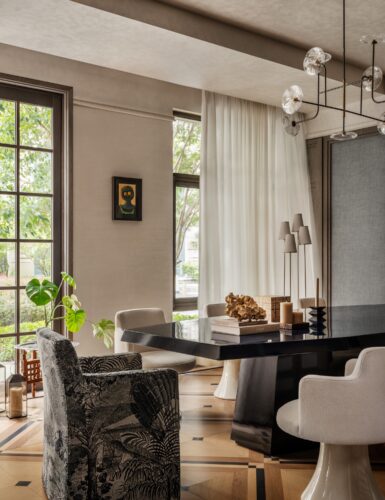
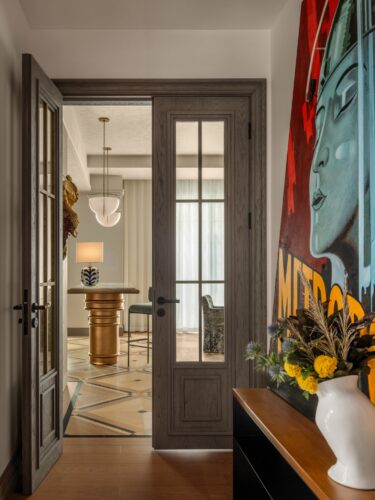
Lu compares the process of selecting artworks to a “treasure hunt.” When the right piece finds its place, it becomes part of an ongoing narrative, allowing the space to “breathe” on its own.
Her personal memories are embedded everywhere — the antique wardrobe, a Victorian-era British desk — and confirm her conviction that: “Space is a projection of lived experience and aesthetic memory of each individual.”
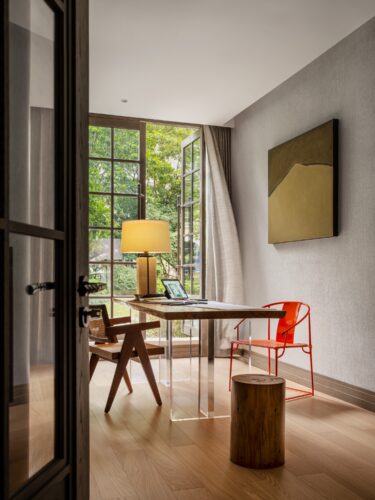
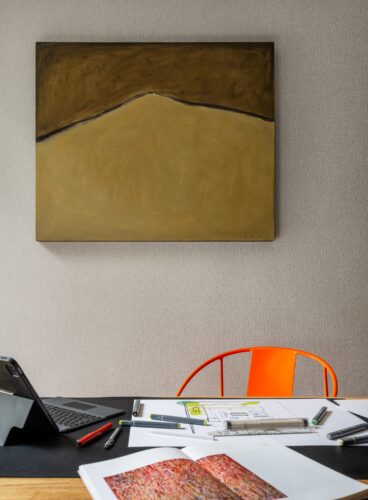
Design, art, and collectibles intertwine in a web of narrative threads. Here, art is not merely for contemplation; it guides the experience, modulates emotion, and fosters a spiritual resonance.
Ultimately, it all comes back to a central premise: to imbue the space with human character, memory and warmth — and, through art, to animate the domestic environment with vitality and spirit.
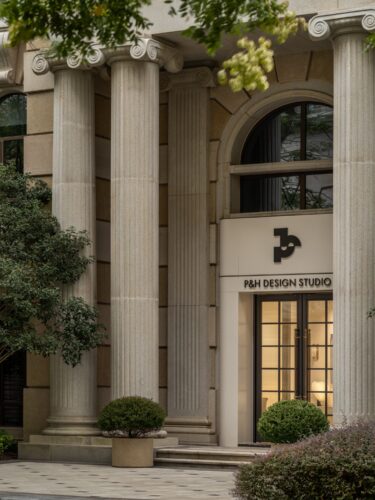
Through this sustained dialogue between art and interior architecture, the studio has created more than just a stage set for emotion, culture, and a way of life. It articulates a way of inhabiting: one that seeks freedom within order, contemporaneity within classicism, and poetry within function.
And perhaps that is where the design expresses its deepest residential philosophy.
- Estudio
- P&H Interior Architecture Design